
The natural, proven sleep helpers I actually trust.
After years of chasing sleep - for my family and myself - these are the things that hold up when you check the real science. No miracle cures, no hype. Sorted by how strong the evidence is, and what each one is actually for.

Build your post-surgery sleep plan
Our free planner turns your surgery into a personalized, printable sleep setup - and we'll email it to you.
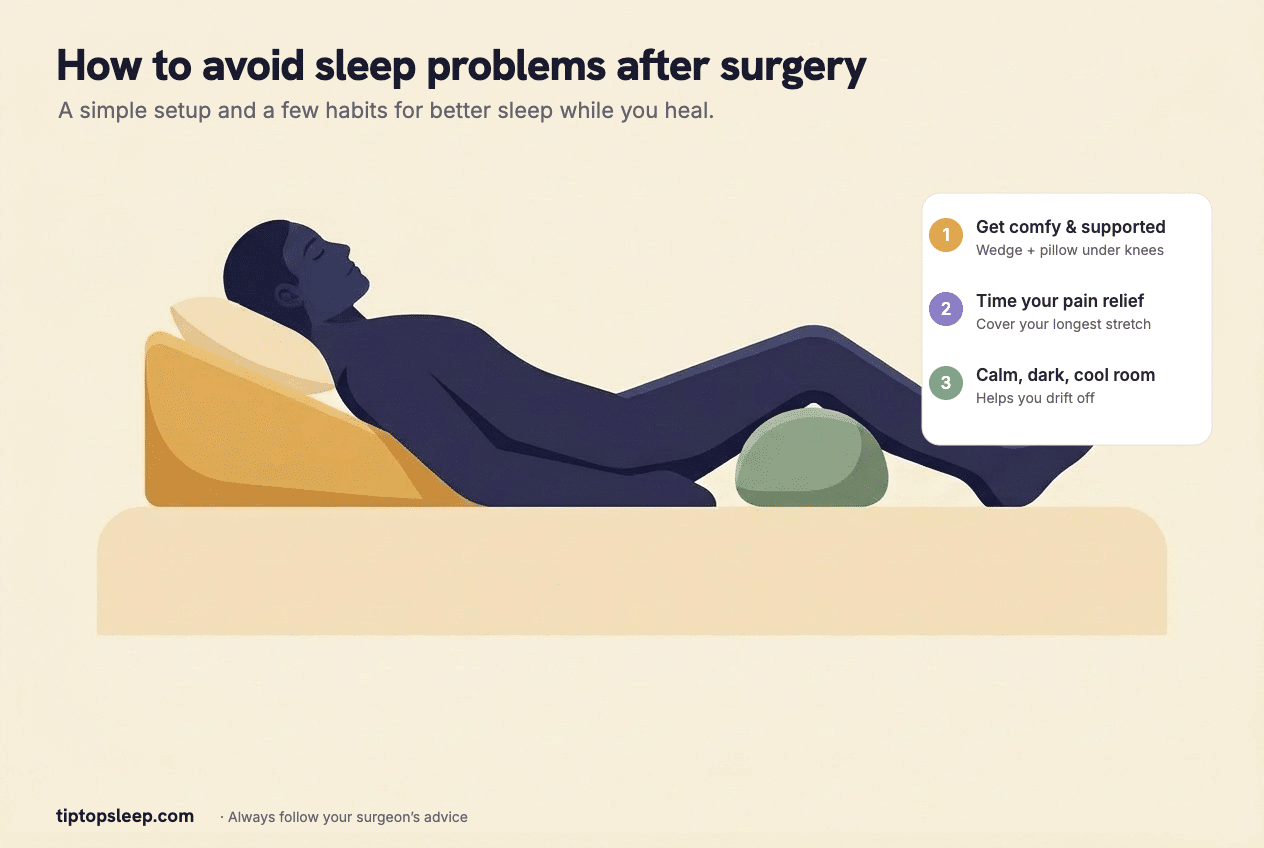
Post-Surgery Sleep Setup Planner
Pick your surgery for an illustrated sleep position, a pillow setup, a night-by-night recovery timeline, a comfort kit and the red flags to watch for. 16 procedures covered.
Open the plannerThe boring stuff that actually works
If you only change a few things, change these. They have the strongest evidence - and most are about your bedroom, not a bottle.
The #1 thing isn't a product - it's CBT-I
If poor sleep has lasted more than a few weeks, the single most effective treatment in the research is CBT-I (cognitive behavioural therapy for insomnia). Sleep doctors recommend it before sleeping pills, and its benefits last longer. Ask your GP, or look for a validated CBT-I program. Everything below supports good sleep - but this is where real insomnia should start.

MZOO Contoured Sleep Mask
Darkness is one of the strongest sleep signals we have. A contoured mask blocks light without pressing on your eyes - the cheapest upgrade on this whole page.
Check price on Amazon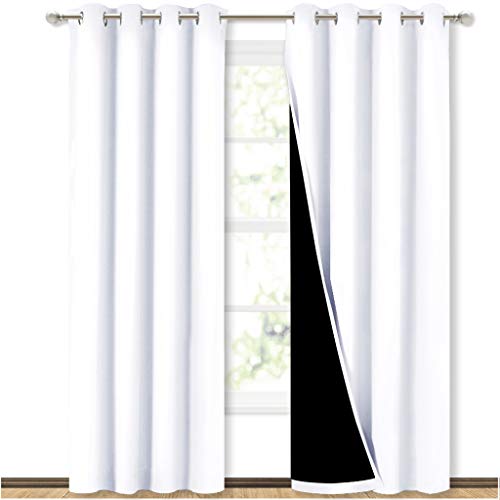
NICETOWN 100% Blackout Curtains
Streetlights and early sunrises wreck sleep quietly. True blackout curtains make the room dark enough that your body finally believes it's night.
Check price on Amazon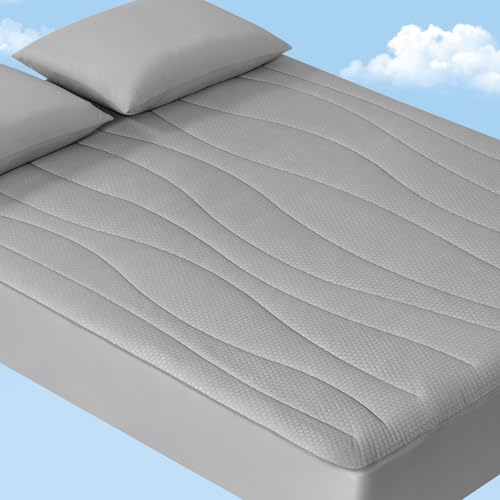
Elegear Arc-Chill Cooling Pad
Your body has to cool down to fall and stay asleep. If you run hot - or you're going through menopause - a cooling pad helps more than almost any pill.
Check price on Amazon
Loop Quiet 2 Earplugs
If noise is your problem, soft reusable earplugs are backed by real studies (they're used in hospital wards). Pair them with the mask above.
Check price on AmazonGadgets with real evidence
A step up from the basics - each of these has genuine studies behind it for the right person.
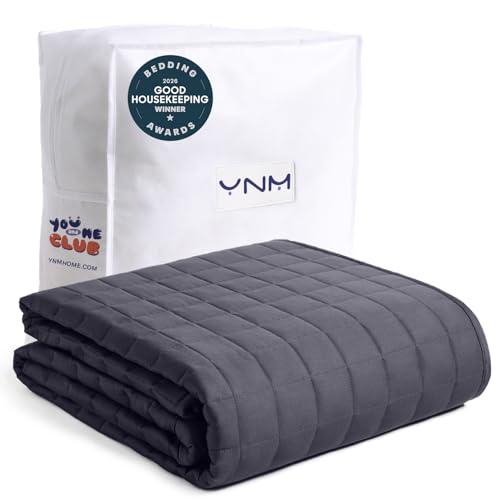
YnM Weighted Blanket
The best evidence is for an anxious, racing mind at bedtime. Aim for about 10% of your body weight. (Not for small children or anyone with breathing problems.)
Check price on Amazon
Philips SmartSleep Wake-Up Light
Waking to gradually brightening light is gentler than a blaring alarm, and morning light helps set your body clock. Philips has the most research behind it.
Check price on Amazon
Kölbs Bed Wedge Pillow
If night-time acid reflux or a recent operation keeps you uncomfortable lying flat, elevating your upper body genuinely helps. (Not a treatment for sleep apnea - see your doctor for that.)
Check price on AmazonThe honest truth about sleep supplements
Most are oversold. Here's the one with the best evidence - and a straight answer on the two you'll see everywhere. Always check with your doctor or pharmacist first, especially if you take other medication.

NOW Foods KSM-66 Ashwagandha
The supplement with the most consistent evidence - especially when stress is what keeps you awake. Look for the studied KSM-66 extract around 600 mg and give it a few weeks. Skip it if you're pregnant or have a thyroid condition.
Check price on AmazonMelatonin? Brilliant for jet lag and shifting your body clock - not a nightly sleeping pill. Use the lowest dose, timed a few hours before bed, and know that US products are often badly mislabeled.
Magnesium? Hugely popular, but the evidence is weak and the "glycinate is best for sleep" line is marketing, not science. If you're genuinely low in magnesium it may help a little - otherwise, save your money for the basics above.
What I don't recommend (and why)
Being straight with you about what to skip matters more than another affiliate link. These get a lot of hype - I'd give them a miss.
- Mouth tape. Trendy and genuinely risky - taping your mouth shut can be dangerous if you have undiagnosed sleep apnea, and the evidence is thin. Skip it.
- GABA pills. The molecule barely reaches your brain when you swallow it. A sedative effect just isn't plausible.
- 5-HTP. Weak evidence, and it can interact dangerously with antidepressants.
- Blue-light "sleep" glasses. A Cochrane review found no clear benefit. Just dim the lights and screens in the evening - that's the real fix, for free.