


Magnesium spray (sometimes called "magnesium oil") is magnesium chloride dissolved in water, rubbed onto skin instead of swallowed. People like it for muscle tension, restless legs, and a calming bedtime ritual. But the evidence that magnesium actually absorbs through skin in meaningful amounts is weak - most reviews find little solid proof of transdermal absorption. If your real goal is better sleep through more magnesium in your system, oral magnesium (especially glycinate) is the better-studied route. The spray can still be worth having for the massage-and-wind-down effect, just don't expect it to fix a deficiency.
I get asked about magnesium spray a lot, usually by people who've read that it "absorbs better than pills" and want to skip the swallowing. I wanted that to be true too - rubbing something on tired legs sounds a lot more appealing than another supplement bottle on the nightstand. But when I actually went looking for the science behind that claim, it wasn't there. Here's what the spray actually does, and doesn't do, and where it fits into an honest sleep routine.
What is magnesium spray, exactly?
Magnesium spray, sold as "magnesium oil," isn't an oil at all. It's magnesium chloride flakes dissolved in water, usually sourced from ancient seabed deposits, packaged in a spray bottle. The "oil" name comes from the slightly slippery feel it leaves on skin, not the ingredient list. You spray it on feet, calves, shoulders, or wherever feels tense, let it sit or rinse it off, and that's the entire routine.
It's marketed heavily for sleep, muscle cramps, and restless legs, and it's genuinely popular - the appeal of a fast, no-pill ritual before bed is real. The question is whether the mechanism behind it holds up.
Does magnesium actually absorb through the skin?
This is the part worth being honest about. The claim behind every magnesium spray product is "transdermal absorption" - that magnesium chloride passes through skin into the bloodstream more efficiently than it would through digestion. It's a compelling story, and it's also not well supported.
- Skin is a barrier by design. The outer layer of skin exists specifically to keep things out, including minerals. Getting a charged ion like magnesium through it in meaningful quantity is a much harder job than swallowing it, where your gut is built to absorb nutrients.
- The research is thin. Most of what's cited to support transdermal magnesium traces back to small, industry-linked studies rather than the kind of rigorous, independent trials used to establish oral magnesium's effects.
- Reviewers who've looked closely aren't convinced. The Sleep Foundation's overview of magnesium for sleep focuses its evidence entirely on oral supplementation and doesn't back topical absorption as a reliable way to raise magnesium levels.
None of that means the spray is useless - it just means you shouldn't buy it expecting it to correct a magnesium deficiency the way a pill or diet change can. If you want to actually raise your magnesium levels, our guide to the best magnesium for sleep covers the oral forms with real evidence behind them, including glycinate, which tends to be gentler and better absorbed than other oral forms.
So why do people say it helps them sleep?
A few honest reasons, none of which require the magnesium to cross your skin:
- The massage itself is relaxing. Rubbing spray into calves or feet before bed is, functionally, a short massage - and massage is well established for easing muscle tension and cueing the body toward winding down.
- It's a consistent bedtime ritual. Doing the same calming thing every night is one of the more reliable levers in sleep hygiene, independent of what's actually in the bottle.
- Placebo and expectation are real effects. Believing something will relax you changes how your body responds - that's not a knock on the product, just not a documented biological mechanism.
- Some notice less cramping or restless legs, which may come from the massage or coolness of the spray as much as any absorbed magnesium.
Does magnesium deficiency affect sleep?
This part is on firmer ground. Magnesium plays a real role in nerve and muscle function, and the Sleep Foundation notes that "nearly 50% of adults and children in the U.S. may not receive enough magnesium." Research it cites found that "higher levels of magnesium in the body are associated with better sleep, longer periods of sleep, and less exhaustion during the day," particularly in older adults. If you're genuinely low on magnesium, correcting that through diet or an oral supplement is more likely to move the needle than a topical spray.
Good dietary sources include leafy greens, nuts, seeds, legumes, and whole grains. If diet alone isn't cutting it, oral is the route with actual evidence behind it - see our best magnesium for sleep guide for specific picks. Some people also look at herbal options like valerian alongside or instead of magnesium; the evidence there is similarly modest, so read honestly framed comparisons before spending money.
Is magnesium spray safe to use?
For most healthy adults, yes, used sensibly - but there are a few things worth knowing:
- Tingling or stinging is common, especially the first few uses or on broken or freshly shaved skin. It usually fades with regular use; if it's consistently uncomfortable, dilute it or use less.
- Skin irritation or itching can happen, particularly with higher-concentration sprays. Patch-test a small area before applying it more broadly.
- Don't overuse it hoping more spray means more benefit - there's no good evidence that heavier application improves outcomes, and it raises the odds of irritation.
- Kidney disease changes the calculus. The Sleep Foundation advises that "people who take prescription medications or have kidney disease or other health conditions should speak to a physician before taking magnesium supplements." That's written with oral magnesium in mind, but the same caution applies to topical use, since healthy kidneys are what clear excess magnesium from the body.
- Check with your doctor if you're on medications like diuretics or certain antibiotics, since magnesium in any form can interact with them.
Is a magnesium spray worth trying?
If you're after a calming bedtime ritual, or you deal with tense calves or restless legs and enjoy the massage-and-spray routine, there's little downside to trying one - just don't expect it to replace oral magnesium if a real deficiency is part of the problem.
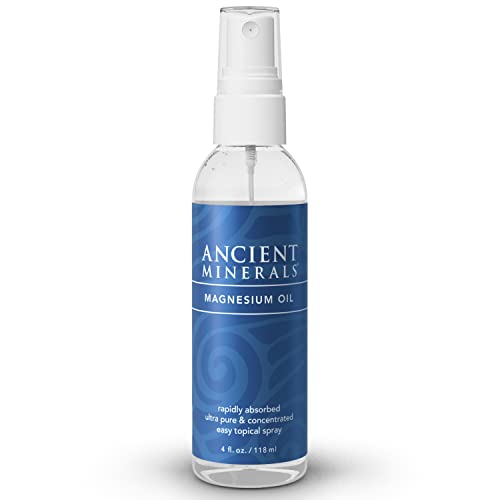
Ancient Minerals Magnesium Oil Spray
A straightforward, fragrance-free magnesium chloride spray from a brand that's been around long enough to have a track record. We like it for the bedtime massage-and-wind-down ritual on tense legs or feet - not as a substitute for oral magnesium. If raising your actual magnesium levels is the goal, see our oral magnesium guide instead.
Looking for other wind-down gear that's actually worth having? Our Sleep Toolkit rounds up what we trust, and skips what we don't.
Frequently asked questions
Is magnesium spray as effective as magnesium pills?
Not for raising your body's magnesium levels. Oral magnesium has real, if modest, evidence behind it for sleep. Topical magnesium's absorption through skin isn't well supported by research, so if correcting a deficiency is your goal, oral forms like magnesium glycinate are the better-evidenced choice.
Can magnesium spray help with restless legs at night?
Some people report relief, which may come from the massage and cooling sensation as much as any absorbed magnesium. It's a low-risk thing to try, just don't expect it to work for everyone or replace medical advice if restless legs are frequent or severe.
Why does magnesium spray sting or tingle?
It's a mildly irritating salt solution on skin, especially skin that's dry, freshly shaved, or broken. Tingling on first use is common and often fades with repeated use; persistent stinging means dilute it or use it less often.
Can I use magnesium spray every night?
Occasional to regular use is generally fine for healthy adults, but more isn't better - stick to the product's suggested amount, watch your skin for irritation, and talk to a doctor first if you have kidney disease or take regular medications.
Related reading:
- Best Magnesium for Sleep - the oral forms with real evidence behind them
- Best Valerian for Sleep
- Sleep Hygiene Checklist
- Best Sleeping Position for Lower Back Pain - for when muscle tension is the real problem
- Sleep Toolkit - the gear we actually recommend
Sources & review: Guidance here is general wellness information, checked against the Sleep Foundation's overview of magnesium for sleep. It is not medical advice and doesn't replace guidance from your doctor, especially if you have kidney disease, take regular medications, or have a diagnosed nutrient deficiency - always check with them before starting any supplement, oral or topical.
📥 Free: The Post-Surgery Sleep Recovery Kit
Our 2-page PDF - the safe sleep position for your surgery, how to set up your bed, a night-by-night recovery timeline, and the red flags worth calling your doctor about. We'll email you the download link.
By subscribing you agree to our Privacy Policy.